Styles & protection
Protective styles that actually protect
Braids, twists and wigs can give your hair a rest. But a style that pulls can do lasting harm. Protective has to mean low-tension.
The short answer
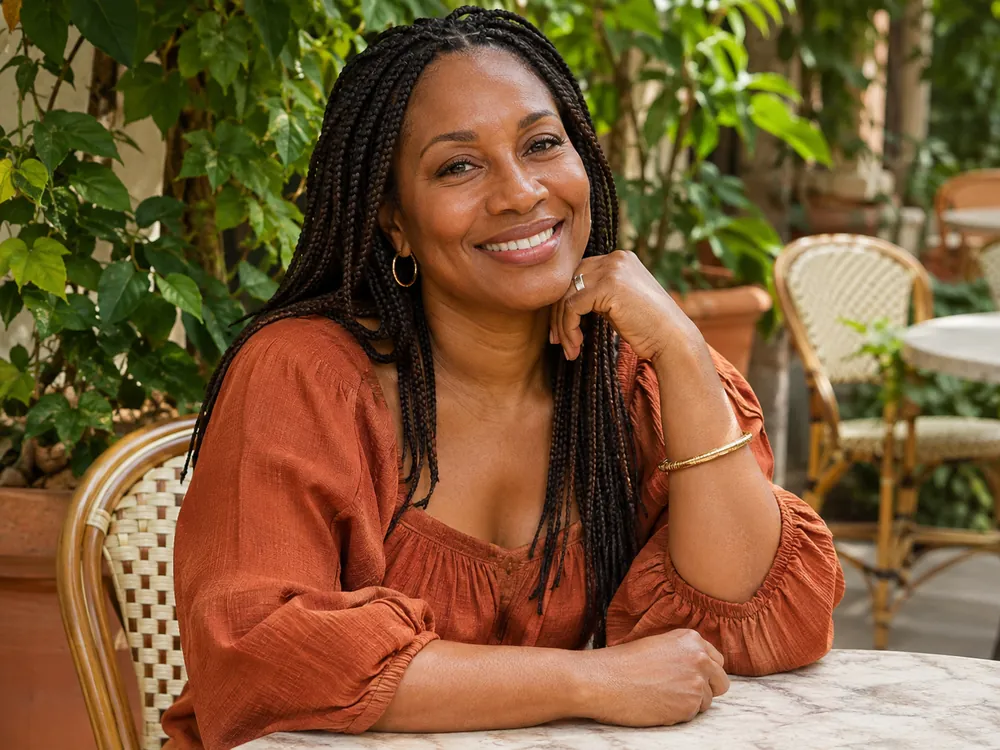
A protective style should never hurt. Ask for looser braids at the hairline, choose lighter and shorter extensions, keep your scalp clean, and take styles down after a reasonable time. Repeated pulling can cause traction alopecia, which can become permanent.
The rule that matters most: it should not hurt
Dermatologists see a lot of traction alopecia: hair loss caused by styles that pull on the roots over and over. In its early stages it can often be reversed. If the pulling continues for years, the follicles can scar and the loss becomes permanent.
Take a style down or have it loosened if you notice:
- Pain or a headache after styling
- Small bumps or pimples along the hairline or around braids
- "Tenting": the skin pulled up into little peaks at the base of a braid
- Crusting, soreness or broken hairs at the edges
Speak up in the chair. A good stylist will happily loosen a braid. It's your hairline, and you're allowed to protect it.
Choosing a gentler style
- Bigger and fewer braids or twists put less strain on each strand than very small, tight ones.
- Lighter, shorter extensions are easier on the roots. Very long, heavy braids pull all day.
- Loosen the hairline. Ask for the edges to be left out or braided loosely.
- Rotate. Don't put the same part lines under tension style after style.
- Wigs: choose glueless options or a wig grip band over adhesives, and give your edges days off.
Caring for your scalp while you're in a style
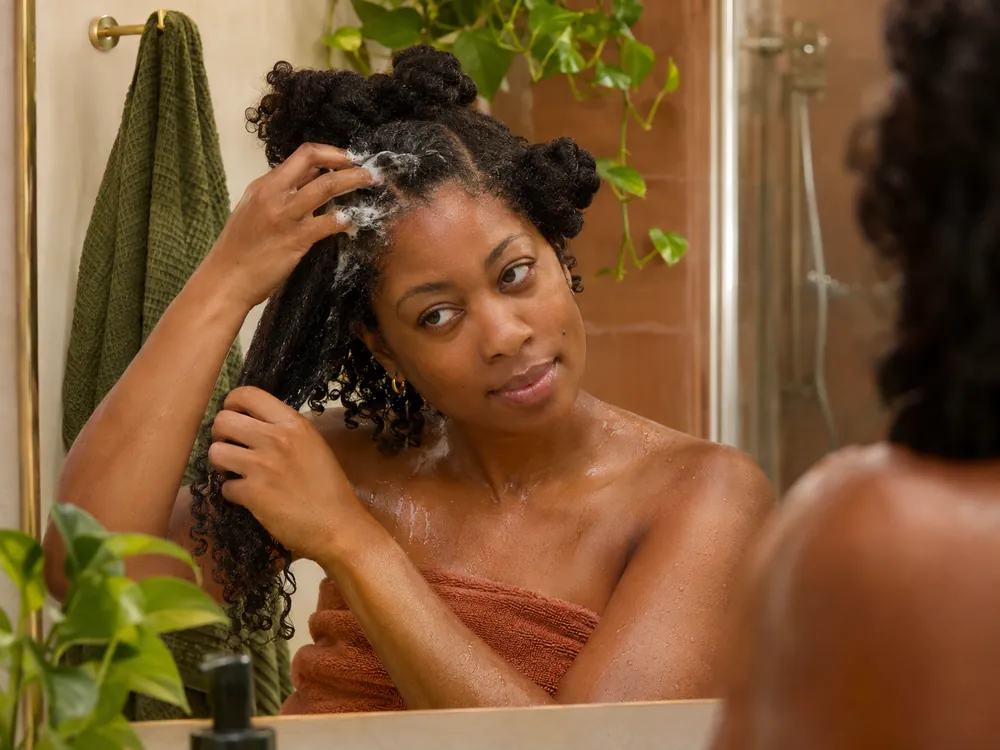
Your scalp still needs cleansing. Use an applicator bottle to get diluted shampoo between the parts, massage with your fingertips, rinse well and let it dry completely. A cool-air dryer helps, since damp braids can develop odor. Keep heavy oils and gels off the scalp.
How long to keep it in
Many stylists suggest somewhere around six to eight weeks for braids and twists, and less if your scalp is itchy or the new growth is matting. The longer a style stays in, the more shed hair collects at the roots and the harder the take-down.
The take-down is part of the style
Most damage happens here. Set aside time, work on hair that's softened with conditioner or a slippery leave-in, and remove shed hair at the base of each braid gently with your fingers before combing. Seeing a lot of hair come out after weeks in a style is normal. That's hair you'd normally shed day by day.
What you'll need
As an Amazon Associate we earn from qualifying purchases. Links go to Amazon search results so you can compare options and prices. We haven't tested these specific products; choose by the description and your own needs.
Pre-stretched braiding hair
Lightweight hair makes braids that are easier on the roots.
See options on AmazonSources & further reading
- Hairstyles that pull can lead to hair loss (AAD)
- Black hair: Tips for everyday care (AAD)
- Hair loss: Signs and symptoms (AAD)
This guide is general education based on the dermatologist resources above. It isn't a diagnosis or treatment plan and hasn't been independently clinically reviewed. Follow your clinician's instructions over any routine here.