Skin care
Dark spots: fade the marks, keep your glow
Our goal is comfortable, even, healthy-looking skin, never changing your natural skin color. Dark spots fade best when you stop what's causing them.
The short answer
Dark spots often follow acne, irritation, bug bites or eczema. Prevent new ones by treating the cause and avoiding irritation, and protect existing ones with a tinted, broad-spectrum SPF 30+ sunscreen containing iron oxides. Avoid unregulated skin-lightening creams; see a dermatologist for stubborn spots.
Why dark spots happen
In deeper skin tones, inflammation tells pigment cells to make more melanin. So a pimple, a rash, a scratch, a harsh product or a bad wax can leave a dark mark long after the original problem heals. This is often called post-inflammatory hyperpigmentation.
That's why the first step isn't a fading cream. It's stopping the inflammation.
Before you buy a dark-spot product, ask:
- Do I know what's causing my marks (acne, eczema, shaving, picking)?
- Is my current routine stinging or irritating my skin?
- Am I wearing sunscreen every day?
- Would a dermatologist's advice help more than another product?
The sunscreen that matters for dark spots
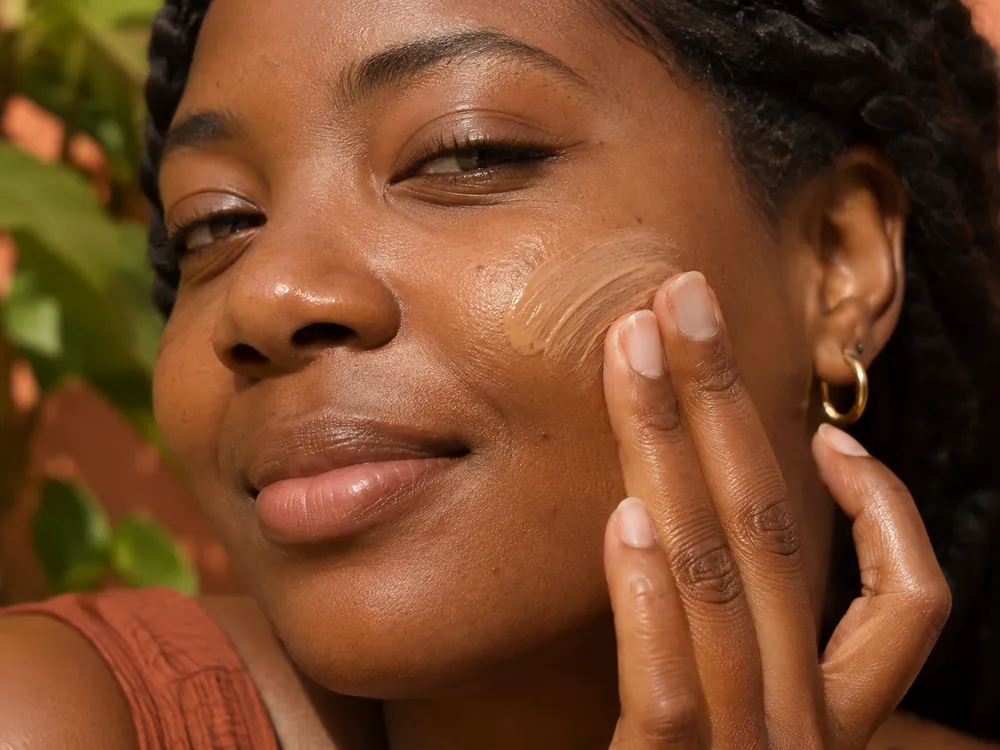
Dermatologists recommend tinted sunscreen containing iron oxides for people with dark spots, in addition to broad-spectrum protection, water resistance and SPF 30 or higher. Iron oxides help block visible light, which can deepen dark spots in darker skin. Bonus: the tint usually means no white cast.
Gentle is the strategy
Scrubs, strong peels and products that burn can create new dark marks while you're trying to fade old ones. Be especially careful with DIY remedies like lemon juice. If a product stings every time, stop.
A warning about skin-lightening creams
Some creams sold online and in shops to "lighten" or "brighten" skin have been found to contain mercury or high-strength steroids. These can cause serious harm. Avoid products without a full ingredient list, and be cautious of anything promising to change your overall complexion.
When to see a dermatologist
If you can't tell what's causing your marks, if they're spreading, or if they haven't improved after a few months of gentle care and daily sunscreen, a dermatologist can identify the cause and offer treatments that are safe for darker skin.
What you'll need
As an Amazon Associate we earn from qualifying purchases. Links go to Amazon search results so you can compare options and prices. We haven't tested these specific products; choose by the description and your own needs.
Tinted mineral sunscreen with iron oxides
Broad-spectrum SPF 30+ with a tint, recommended for dark spots.
See options on AmazonSources & further reading
This guide is general education based on the dermatologist resources above. It isn't a diagnosis or treatment plan and hasn't been independently clinically reviewed. Follow your clinician's instructions over any routine here.